
Why Your Website Is Not Generating Leads
It’s OK if you don’t know. Most people don’t.
That’s exactly why your marketing partner should.
A website is often expected to generate leads, but in many cases, it does not perform the way it should. Traffic may be coming in, yet conversions remain low or inconsistent. This can be frustrating, especially when time and money have already been invested.
In most situations, the issue is not a single problem. Several small gaps in structure, messaging, and optimization are quietly working against performance. Once these areas are identified and improved, a website can begin to function as a true lead generation tool rather than just an online presence.
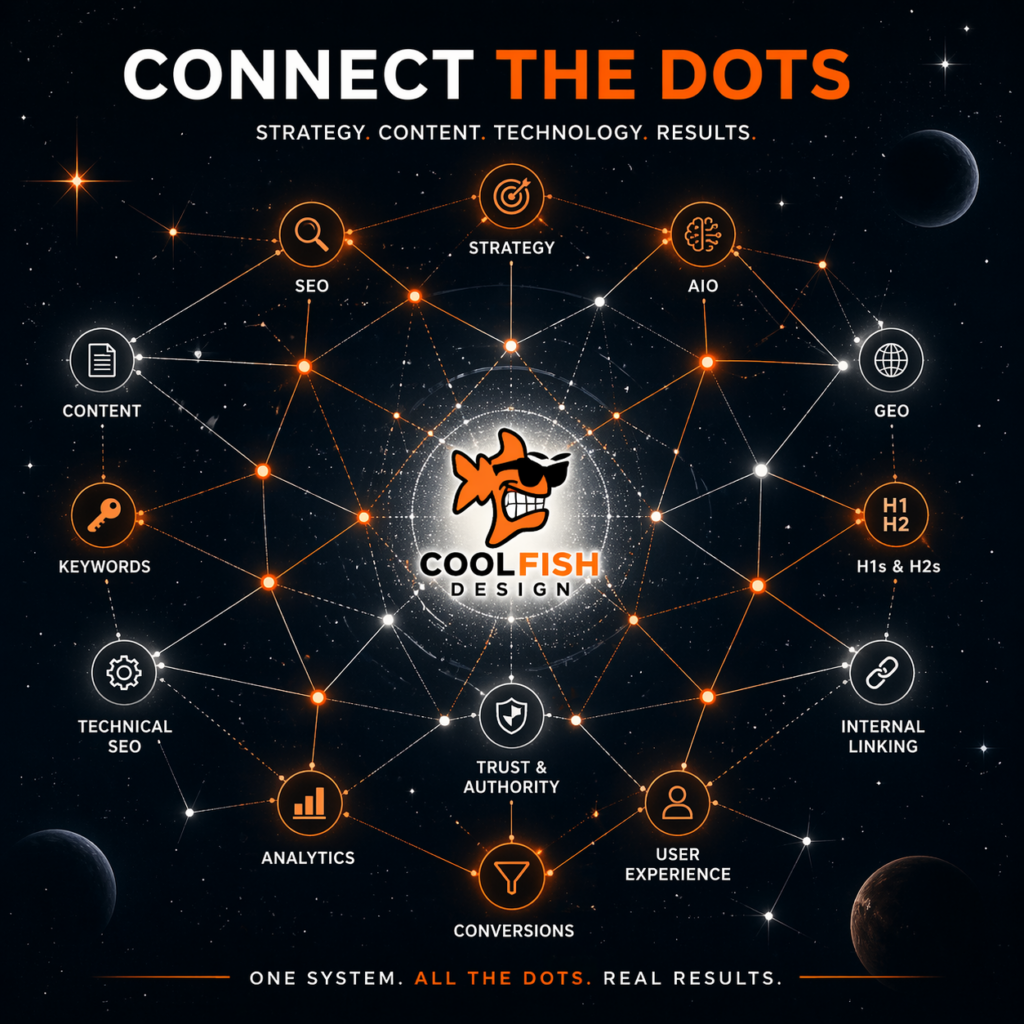
The Real Reason Most Websites Fail to Convert
If you think about it, pretty doesn’t convert.
Many websites are built to look good, but not to perform. Design alone does not guide a visitor toward action. Without clear direction, users hesitate, leave, or never fully engage.
In addition, expectations are often misaligned. A website is not a one-time project. It is part of an ongoing marketing system that requires structure, updates, and optimization to produce results.
What a High-Performing Website Actually Does
A high-performing website does more than exist online. It guides users, answers questions, and removes hesitation.
It is structured to:
- Capture attention quickly
- Provide clear and relevant information
- Build credibility and trust
- Lead users toward a defined action
When these elements are aligned, a website becomes a consistent source of leads rather than an underperforming asset.
What Happens When Your Website Is Built to Perform
- Visitors are guided toward clear actions
- Traffic becomes more qualified and relevant
- Engagement increases across key pages
- Leads become more consistent and predictable
- Your website supports long-term growth
A website should not be a static asset. It should be doing something.
When built correctly, it becomes a core part of your marketing strategy.
Common Problems That Stop Leads From Coming In
Yeah… it’s not just one thing.
Several issues are commonly found on underperforming websites:
- Messaging is unclear or too generic
- Calls to action are weak or missing
- Navigation does not guide the user effectively
- Pages are not optimized for search or AI visibility
- Load speed or mobile usability creates friction
- Content does not match user intent
Each of these factors may seem small on its own, but together they create a poor user experience that limits conversions.
What Needs to Change to Start Generating Leads
This is the part nobody tells you.
For a website to perform properly, it must be structured with purpose. Every page should guide the visitor toward a specific action, whether that is making contact, requesting a quote, or learning more.
Content should be clear, relevant, and aligned with what users are actively searching for. In addition, trust signals such as case studies, testimonials, and consistent branding should be present to support decision making.
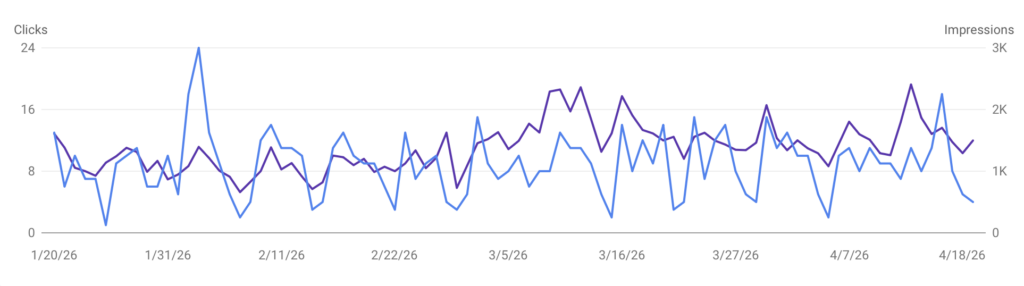
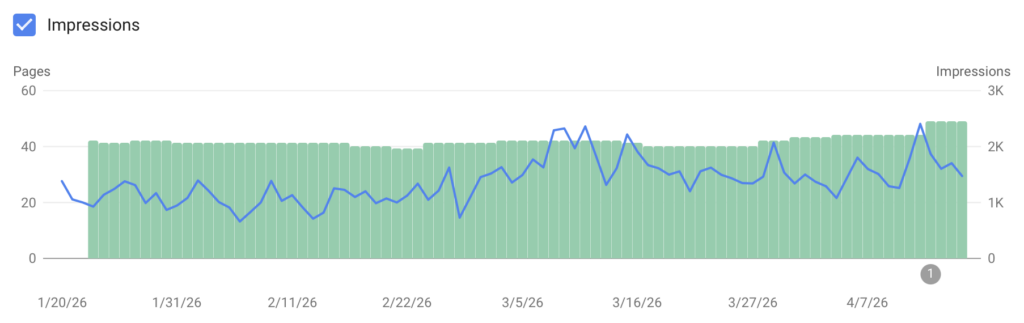
How AI, SEO, and Structure Work Together
This is the part most agencies are still trying to figure out.
Search engines help users discover a website, but that is only the first step. AI-driven platforms are now influencing which businesses are recommended, summarized, and selected.
Because of this, websites must be built with both visibility and structure in mind. SEO supports ranking, while AI optimization helps ensure the content is understood, trusted, and surfaced in modern search experiences.
When combined, these elements improve both traffic quality and conversion potential.
Feel free to reach out to Chet for a personal review of your on-line presence.

tel:813-785-5337
Coolfish Design & Marketing
Tampa-based. Focused on results. Built to perform.
The questions people usually ask right before they realize the website is the problem.
Most businesses know something feels off before they know exactly what it is. These are some of the most common questions that come up once traffic, leads, and performance stop lining up.
Traffic alone does not guarantee conversions. If the messaging, structure, or calls to action are unclear, users may leave without taking action.
Improvements can be made by refining content, strengthening calls to action, improving user experience, and aligning pages with search intent.
SEO helps bring users to your website. However, conversion depends on how well the site is structured once visitors arrive.
AI helps determine which businesses are recommended and displayed in search summaries. Proper optimization increases visibility in these results.
Results vary, but improvements in structure and content can begin to impact performance over time as visibility and engagement increa
Analytical Website Design • Creative Marketing • SEO Certified • Tampa, Florida 33615 • Working With Businesses Nationwide. • Ph: 813.785.5337 • Em: chet@coolfishdesign.com